

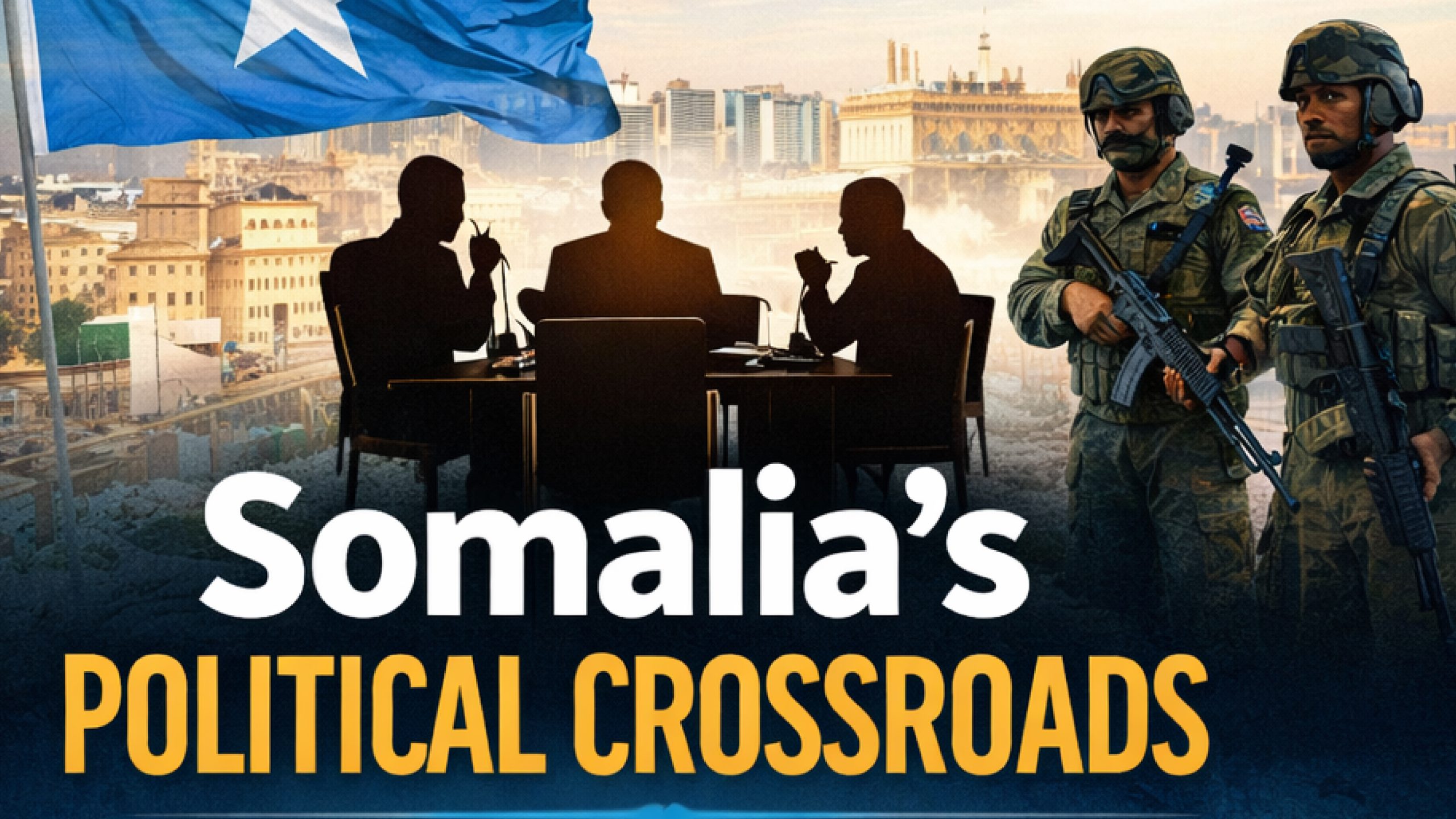
Somalia continues to navigate one of the most complex political landscapes in the region. While progress has been made through constitutional discussions and efforts toward a stable electoral framework, many structural barriers remain. This blog explores the country’s historical governance hurdles, the evolving role of federal member states, and the ongoing debate over centralization versus decentralization.
Drawing on political analysis, public sentiment, and regional dynamics, the article highlights how institutional reforms could help build stronger democratic norms. From accountability mechanisms to security sector transformation—readers gain insight into how Somalia can move toward a more transparent and resilient form of governance. The piece also examines how the relationship between the federal government and member states affects national cohesion and long-term peace.
With an eye on the future, the analysis outlines realistic pathways and policy priorities that could help break long-standing cycles of political uncertainty.
