

DUBAI, March 11 (Somali Observer) – Although the United States is widely seen as having initiated the war with Iran, Gulf oil-producing nations are expected to bear much of the fallout, according to regional sources and analysts, highlighting growing strain in relations between countries facing Iranian attacks and the superpower they depend on for security.
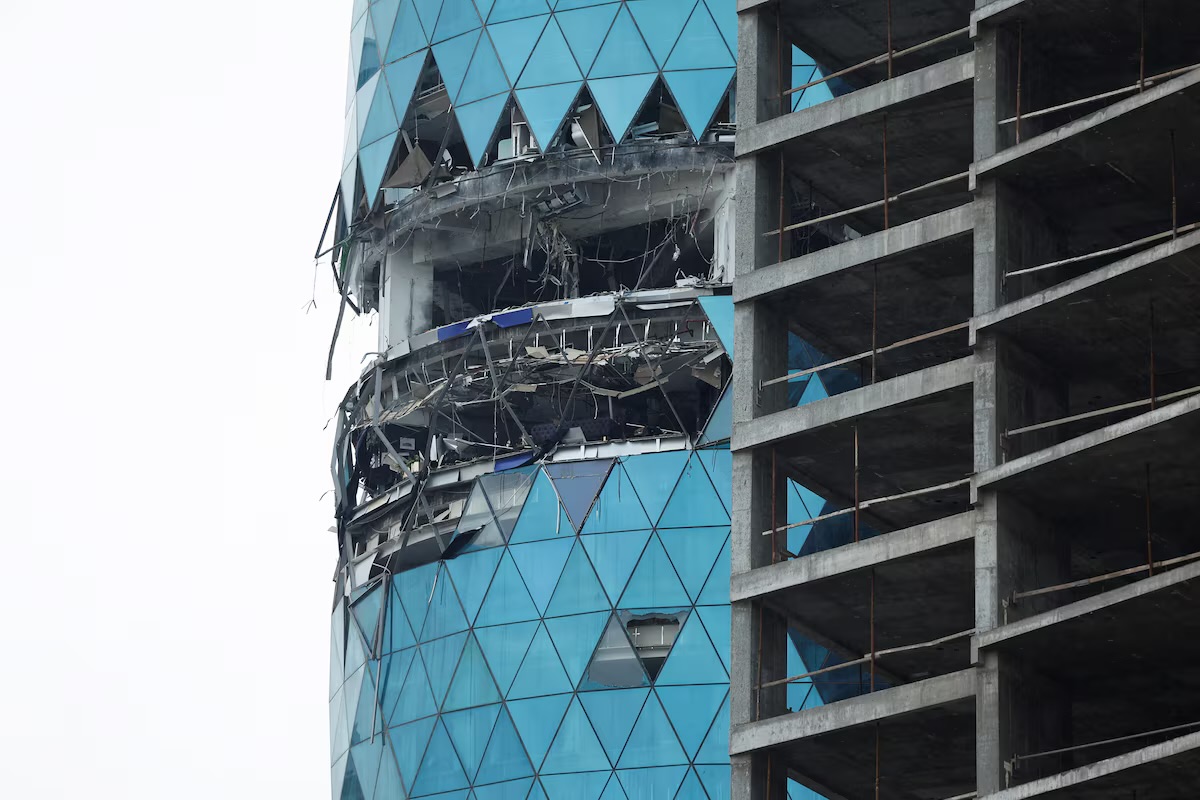
Officials and analysts say frustration is quietly building in several Gulf Arab capitals, where leaders feel they have been pulled into a conflict they neither started nor supported. The economic and security consequences are already being felt, with Iranian drone and missile strikes targeting airports, ports, hotels, military facilities and oil infrastructure. Three regional sources, speaking anonymously due to the sensitivity of the matter, said the damage is weighing heavily on both public confidence and economic stability.
Ebtesam Al-Ketbi, head of the Emirates Policy Center, told Reuters that Gulf states did not seek the conflict but are nonetheless paying the price. She stressed, however, that Iran also bears responsibility, noting that Gulf governments had assured Tehran their territories and airspace would not be used by Washington during the war. Despite these assurances, Iran launched multiple waves of strikes across the region, further undermining business sentiment.
Another major concern among Gulf policymakers is the possibility of an unresolved conflict. Some regional figures believe that if Washington withdraws before achieving its objectives, Iran could emerge emboldened. Ketbi warned that leaving the war unfinished would be akin to “abandoning an injured lion,” suggesting Iran could remain capable of future attacks or that a potential regime collapse might create a destabilizing power vacuum.
In response to questions, the White House said joint U.S. and Israeli operations had significantly reduced Iran’s missile retaliation capacity, claiming a 90% drop in attacks. Spokeswoman Anna Kelly added that President Donald Trump has remained in close coordination with Middle Eastern allies and argued that Iran’s strikes on neighboring countries demonstrate the need to neutralize the threat.
Gulf governments have not immediately commented publicly.
The conflict intensified after Iran’s Supreme Leader, Ayatollah Ali Khamenei, was reportedly killed on the first day of hostilities. Iran retaliated by targeting Israel and Gulf countries hosting U.S. military bases, disrupting oil and gas flows through the Strait of Hormuz — a key route for around 20% of global petroleum and LNG shipments.
Airspace closures across the region have forced airlines to cancel roughly 40,000 flights, marking the biggest disruption to international air travel since the COVID-19 pandemic. The tourism sector in Gulf states has also been hit, threatening the region’s reputation as a secure and luxury travel destination.
