

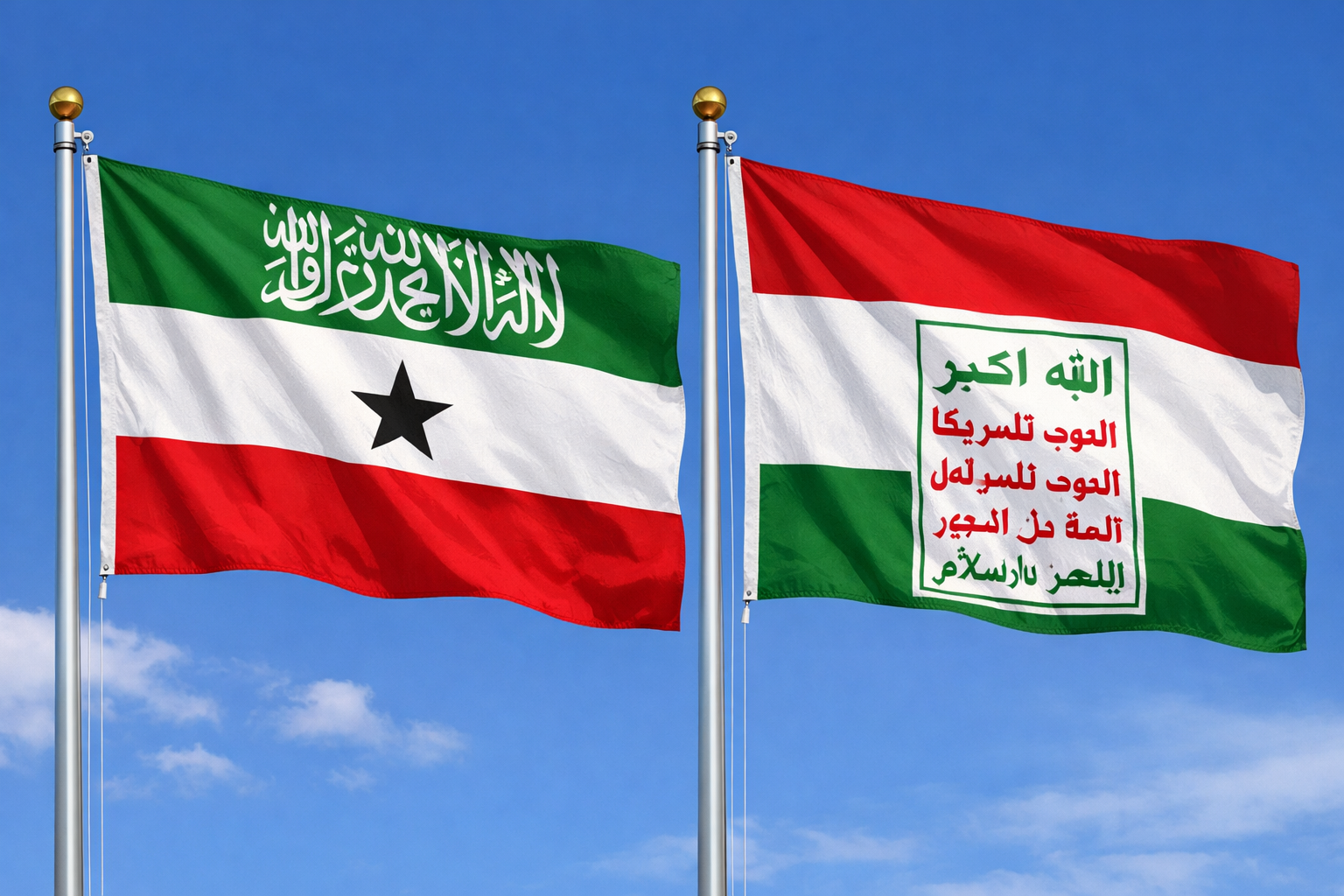
LONDON: (Somali Observer) The hypothetical scenario of Israel establishing a military foothold in northern Somalia, particularly in the self-declared republic of Somaliland, to launch attacks against the Houthis in Yemen, would carry significant implications for regional security, economic stability, and geopolitical dynamics across the Horn of Africa and the wider Red Sea corridor.
Security Implications
From a security perspective, such a development could dramatically raise tensions in an already fragile region. Somaliland has maintained relative internal stability compared to southern Somalia, but hosting foreign military operations, particularly by a highly polarising actor like Israel, could make it a direct target for retaliatory attacks. The Houthis, who have demonstrated long-range missile and drone capabilities in recent conflicts, may seek to strike military facilities, ports, or even civilian infrastructure.
This could also provoke reactions from other regional armed groups, including Al‑Shabaab, which may exploit nationalist or religious narratives to mobilise recruitment or justify attacks. Increased militarisation could therefore undermine Somaliland’s hard-won security gains and risk drawing the wider Somali territories into external conflicts.
Maritime security in the strategic Red Sea and Gulf of Aden could also deteriorate. Any escalation might disrupt shipping routes near the Bab el-Mandeb Strait, raising the risk of piracy resurgence or naval confrontations involving regional and global powers.
Economic Consequences
Economically, the short-term impact could be severe. Investor confidence in Somaliland, which has been slowly growing due to its reputation for relative peace and political order, might decline sharply. Insurance premiums for shipping and aviation could rise, affecting trade flows through key ports such as Berbera.
Tourism prospects, already limited but symbolically important, could vanish entirely in the event of military escalation. Development projects funded by Gulf states, Western donors, or international financial institutions may face delays or suspension if the region becomes perceived as a conflict zone.
On the other hand, proponents might argue that foreign military cooperation could bring infrastructure investment or security funding. However, such benefits are often unevenly distributed and may not offset broader economic disruption or reputational risks.
Geopolitical Stability
Geopolitically, the move could reshape alliances across the Horn of Africa. Somaliland’s lack of widespread international recognition makes any formal military agreement with Israel particularly sensitive. The federal government of Somalia would likely strongly oppose such a development, viewing it as a violation of sovereignty and a potential precedent for external powers engaging directly with sub-national entities.
Regional actors such as Ethiopia, Djibouti, and Gulf states could be forced to recalibrate their security and diplomatic positions. Some might quietly support efforts to counter Houthis’ influence in Red Sea shipping lanes, while others may fear escalation with Iran, widely seen as backing the Houthis.
The presence of Israeli forces could also intensify great-power competition. The Red Sea corridor is already crowded with foreign bases from the United States, China, Turkey, and Gulf countries. Introducing another operational front could increase the risk of miscalculation, proxy confrontation, or diplomatic fragmentation.
Conclusion
Overall, while the strategic logic of countering Houthi threats to Red Sea shipping might be cited as justification, the broader consequences of Israel launching operations from Somaliland could be destabilising. Security risks, economic uncertainty, and geopolitical tensions would likely outweigh potential short-term gains. For Somaliland and the wider Horn of Africa, the priority may remain preserving internal stability and avoiding entanglement in conflicts driven by external rivalries.
