

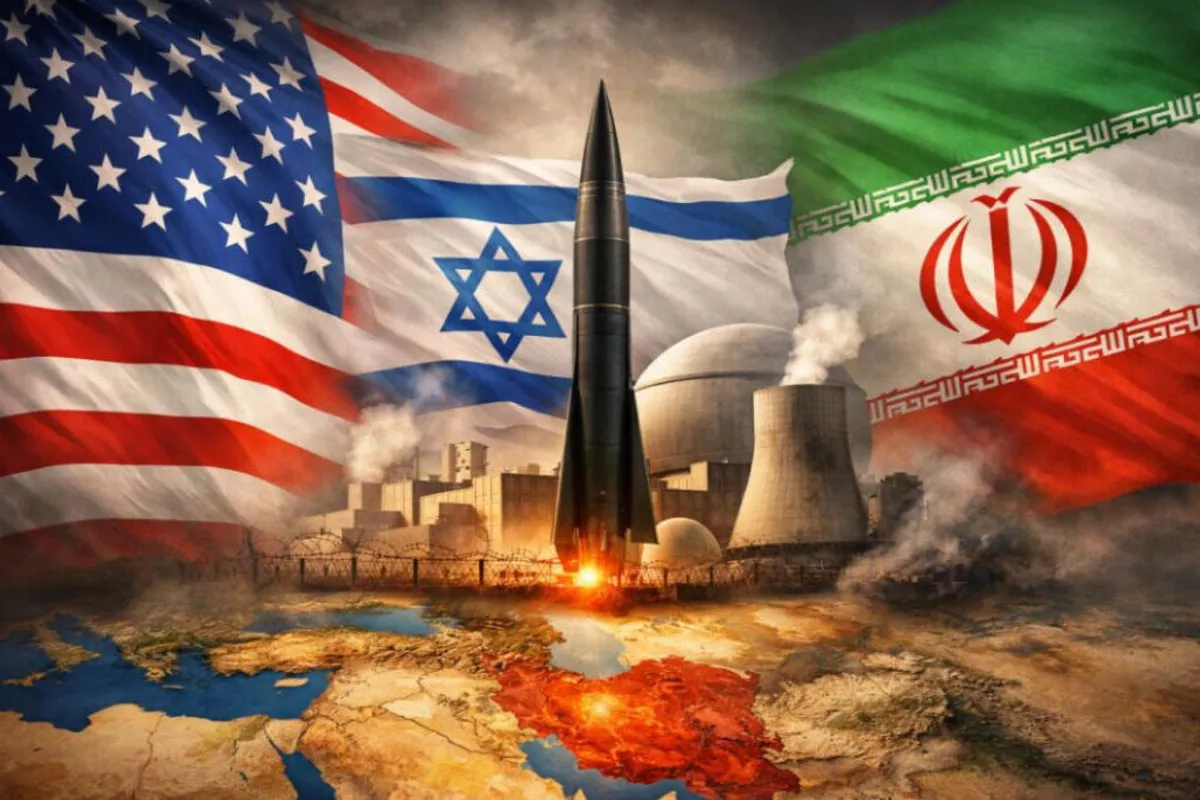
The latest escalation involving Iran, the United States, and Israel has significantly reshaped the security landscape of the Middle East. What initially appeared to be limited military exchanges has evolved into a broader confrontation with regional and global implications. The situation remains fluid, with military, political, and economic dimensions all interacting simultaneously.
Military Dynamics: Escalation Without Decisive Victory
Militarily, the conflict reflects modern asymmetric warfare. Precision airstrikes, missile systems, drones, cyber operations, and proxy forces are central tools on all sides. Rather than traditional ground invasions, the confrontation relies heavily on long-range strikes and indirect engagements.
Iran’s strategy historically emphasises deterrence through regional influence and allied non-state actors. This allows Tehran to respond indirectly while avoiding full conventional confrontation. On the other side, the U.S. and Israel maintain technological superiority in airpower, intelligence, and missile defence systems.
However, neither side appears positioned for a decisive victory. Instead, the pattern suggests calibrated escalation — applying pressure while attempting to avoid triggering an uncontrollable regional war.
Regional Implications: A Fragile Balance
The broader Middle East stands at a sensitive crossroads. Gulf states face strategic dilemmas: maintaining security partnerships with Washington while avoiding becoming direct battlegrounds. Any expansion of hostilities could draw in neighbouring countries, intentionally or unintentionally.
The Strait of Hormuz remains a critical pressure point. A disruption there would immediately affect global oil supplies, as a substantial percentage of the world’s energy shipments transit through that corridor. Even threats to maritime security can increase insurance costs, energy prices, and global market volatility.
At the same time, proxy dynamics raise the risk of spillover. Armed groups aligned with Iran across parts of the region could widen the conflict, making containment more difficult.
Economic Consequences: Global Ripple Effects
Energy markets are highly sensitive to Middle East instability. Even limited escalations often result in oil price spikes. Prolonged conflict could:
- Fuel global inflation
- Increase shipping and insurance costs
- Slow economic growth in energy-dependent economies
- Pressure on European and Asian markets
Developing nations would be particularly vulnerable to sustained price increases in oil and food supply chains.
Internal Pressures Within Iran
Internally, Iran faces economic strain from sanctions, inflation, and currency challenges. While external conflict can consolidate domestic unity in the short term, prolonged confrontation may intensify socioeconomic pressures over time.
The Iranian leadership must balance projecting strength externally with maintaining internal stability. Strategic patience rather than immediate escalation may serve this objective.
Possible Scenarios Moving Forward
- Controlled Escalation
Limited but ongoing exchanges, with each side signalling strength while avoiding total war.
- Regional Expansion
Missteps or high-casualty incidents could draw additional actors into confrontation.
- Diplomatic De-escalation
Back-channel negotiations, possibly mediated by regional or global powers, could result in a ceasefire or temporary understanding.
- Prolonged Stalemate
A drawn-out period of intermittent strikes and proxy engagement, creating chronic instability without formal war.
Strategic Outlook
At present, the conflict reflects strategic signalling more than total warfare. All sides appear aware that a full-scale regional war would carry catastrophic economic and humanitarian costs. However, the compressed timeline of modern warfare, driven by advanced weapons and rapid retaliation, increases the risk of miscalculation.
The coming weeks will be decisive. Whether the situation stabilises or escalates will depend on military restraint, diplomatic engagement, and the ability of regional actors to prevent localised clashes from expanding into a wider confrontation.
