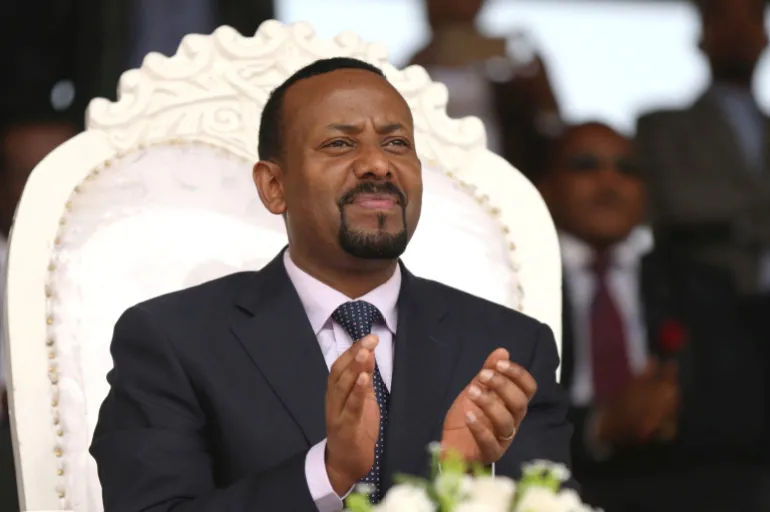
Addis Ababa – June 1, 2026 Ethiopian Prime Minister Abiy Ahmed is on course for another overwhelming electoral victory as millions of Ethiopians head to the polls in parliamentary and regional elections across the country. Early projections and political analysis indicate that Abiy’s ruling Prosperity Party is expected to secure a dominant majority, further strengthening its grip on power and extending the prime minister’s political influence across Africa’s second-most populous nation.
More than 50 million voters were registered to participate in the elections, which are being viewed as a major test of Ethiopia’s political future following years of conflict, economic reforms, and national reconstruction efforts. Despite ongoing security concerns in several regions, Abiy’s party entered the election as the clear favorite, facing a fragmented opposition and benefiting from strong state-wide political structures.
Why Is Abiy Dominating?
Political observers point to several factors behind the Prosperity Party’s expected landslide victory.
Since taking power in 2018, Abiy Ahmed has consolidated political authority while reshaping Ethiopia’s political landscape. His government has promoted major infrastructure projects, economic reforms, and food security programs, while presenting itself as the force capable of maintaining national unity during a period of instability.
The opposition remains divided and weakened, with several parties struggling to mobilize nationwide support. In many areas, the Prosperity Party has remained the most organized political force, allowing it to dominate election campaigns and voter outreach efforts.
Abiy also benefits from the political momentum gained after his previous electoral victory in 2021, when his party won an overwhelming majority in parliament. Many analysts believe the current election will reinforce that dominance rather than challenge it.
Elections Held Amid Conflict
Although voting is taking place across much of Ethiopia, several conflict-affected areas are excluded from the election process.
No voting is being conducted in large parts of the Tigray region, while security concerns have also disrupted electoral activities in parts of Amhara and Oromia. Ongoing insurgencies, ethnic tensions, and political disputes continue to affect millions of citizens in those regions.
The absence of voting in some areas has sparked criticism from opposition groups and human rights organisations, which argue that the election cannot fully represent all Ethiopians. At the same time, significant portions of the population remain unable to participate.
Criticism and Concerns
Despite expectations of a major victory, Abiy’s government continues to face criticism from opposition parties and international observers over political freedoms, arrests of activists, restrictions on media, and the overall political environment.
Government officials reject those accusations and argue that Ethiopia is conducting one of the largest democratic exercises on the African continent under difficult security conditions.
Regional and international observers are closely watching the election due to Ethiopia’s strategic role in the Horn of Africa and its influence on regional stability.
What Happens Next?
Official results are expected to be announced in the coming days. If projections are confirmed, Abiy Ahmed and the Prosperity Party will secure another commanding mandate, allowing the prime minister to continue implementing his political and economic agenda.
For supporters, the expected victory represents stability, economic growth, and continued national development. For critics, it raises questions about political competition, democratic participation, and the future direction of Ethiopia’s governance.
Regardless of the outcome, the 2026 election marks another significant chapter in Ethiopia’s evolving political history, with Abiy Ahmed once again emerging as the dominant figure in the country’s political landscape.